Lars Reed · 9 September 2026
Tracing Links Between Gene Editing Accuracy Reports and Mineral Policy Adjustments in Renewable Energy Development
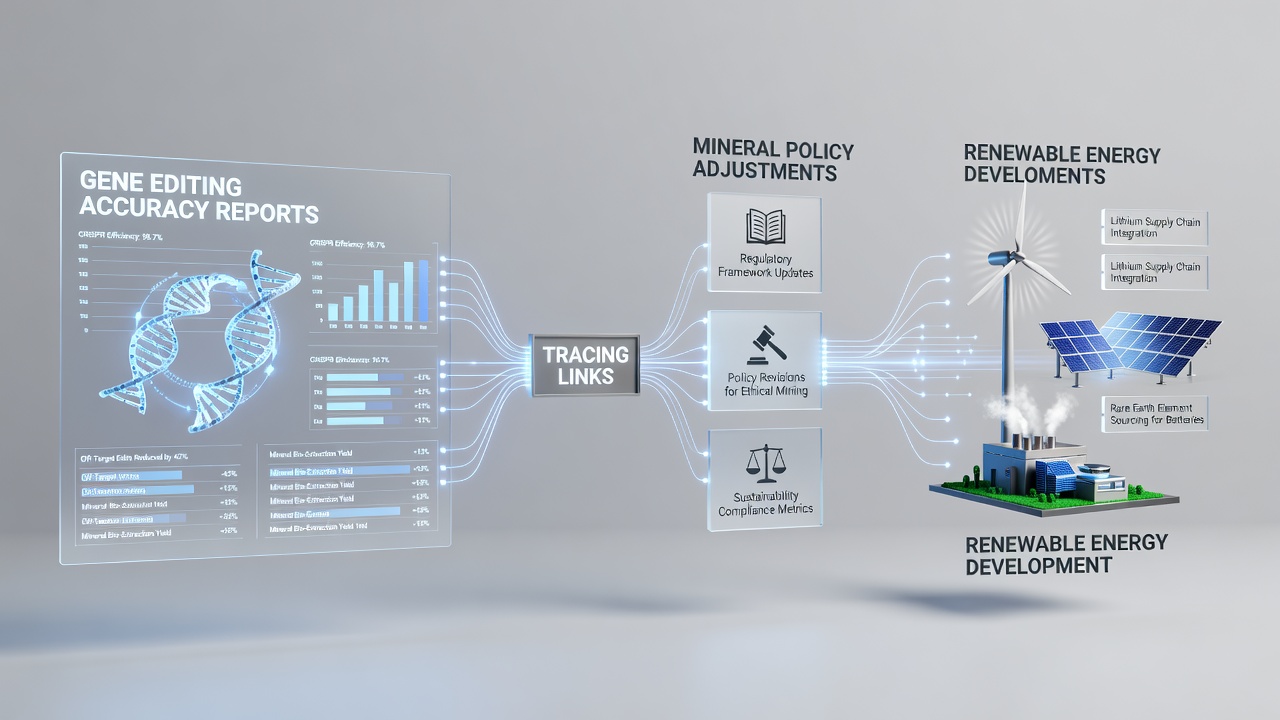
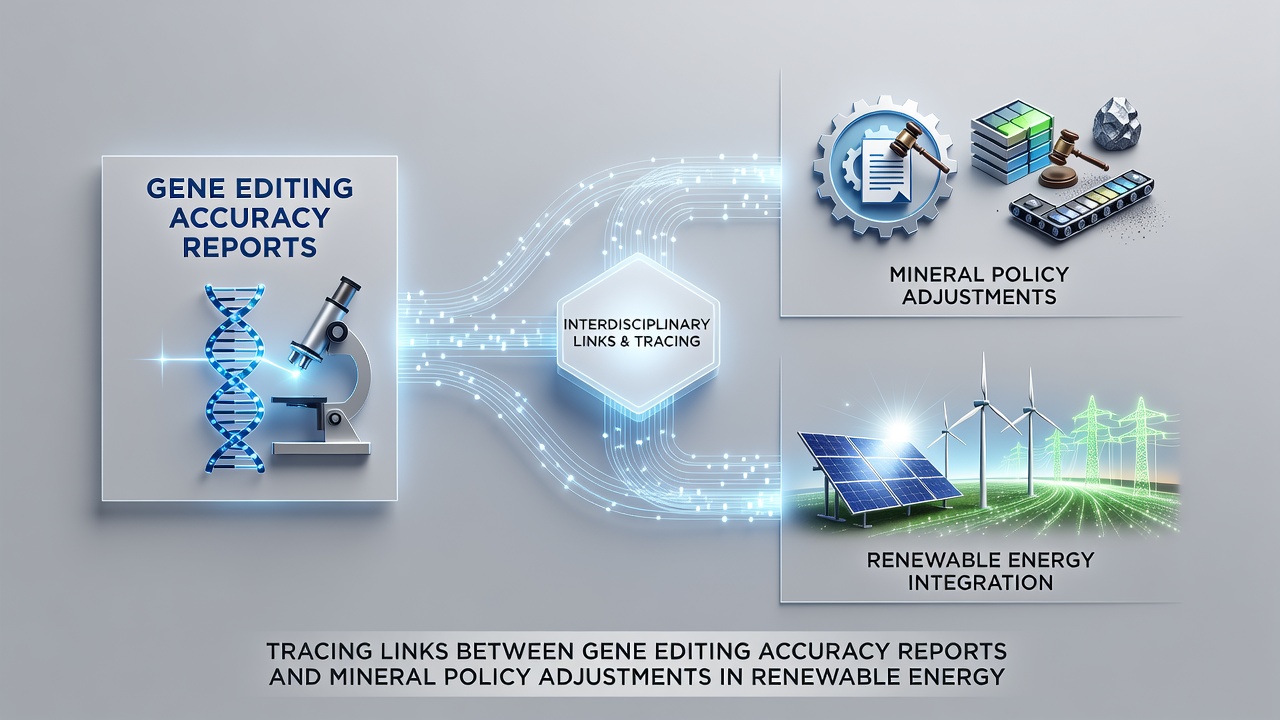
Gene editing accuracy reports have started to intersect with mineral policy adjustments as countries scale up renewable energy infrastructure that depends on precise supplies of lithium, cobalt, and rare earth elements. Studies from multiple research institutions show that improvements in CRISPR-based techniques allow for more reliable modification of microorganisms used in biomining processes, which in turn influences how governments draft regulations around sustainable extraction. Data from 2025 field trials indicated that error rates in gene edits dropped below 2 percent in certain bacterial strains, leading analysts to examine whether such precision could reduce the volume of minerals needed from traditional mines.
Gene Editing Developments in Resource Recovery
Researchers at several universities have documented cases where targeted gene modifications enhanced the ability of microbes to leach metals from low-grade ores, a process that supports the battery and magnet production required for wind turbines and electric vehicles. Accuracy reports released in early 2026 highlighted that off-target effects remain a concern in large-scale applications, yet the same documents noted measurable gains in recovery efficiency when editing protocols followed updated verification standards. Observers note that these technical refinements coincide with policy reviews in regions rich in mineral deposits, where officials seek to balance extraction volumes against environmental targets set for 2030 and beyond.
One study published by an Australian research consortium examined how precise edits in Acidithiobacillus ferrooxidans strains improved cobalt recovery rates by 18 percent compared with earlier methods. The findings, cross-referenced with Canadian government mineral statistics, suggest that higher accuracy could ease pressure on new mining permits by extending the productive life of existing sites. Policy documents from the same period reference these laboratory results when outlining adjustments to permitting timelines and reclamation requirements.
Mineral Policy Shifts in Renewable Supply Chains
Governments across North America and Europe have begun incorporating data from synthetic biology projects into critical minerals strategies. The European Commission updated its raw materials framework in 2025 to include provisions for bio-based recovery techniques, citing laboratory evidence that gene-edited organisms could lower the energy intensity of processing steps. Figures released by Natural Resources Canada in September 2026 showed that pilot projects using modified bacteria contributed to a 7 percent reduction in projected import volumes for certain battery metals through 2035.
These adjustments appear in revised environmental assessment guidelines that now require applicants to evaluate alternative extraction technologies alongside conventional methods. Industry reports indicate that companies exploring such options must submit gene-editing accuracy documentation as part of their permitting packages, creating a direct administrative link between the two domains. What's interesting is how this requirement emerged from joint working groups that included both regulatory bodies and academic teams specializing in microbial engineering.
Connecting Accuracy Metrics to Regulatory Frameworks
Accuracy reports serve as reference points when agencies calculate acceptable risk levels for deploying engineered organisms near mining operations. The United States Department of Energy has referenced peer-reviewed thresholds for edit precision in its 2026 guidance on domestic supply chain resilience, noting that lower error margins correlate with reduced likelihood of unintended ecological impacts. This connection has prompted several state-level mining boards to request supplementary data on gene stability before approving projects that incorporate biomining components.
International coordination efforts have also surfaced in this area. Meetings held under the auspices of the International Energy Agency in mid-2026 addressed how standardized reporting of gene-editing outcomes might inform cross-border mineral trade agreements. Participants examined case examples from Chile and South Africa where policy drafts now include clauses that tie extraction licenses to demonstrated improvements in microbial recovery accuracy.
September 2026 Updates and Ongoing Monitoring
In September 2026, several agencies released synchronized statements that referenced both gene-editing performance data and revised mineral demand forecasts. The statements pointed to ongoing trials in which accuracy metrics directly affected the scale of proposed policy incentives for recycling programs versus primary extraction. Monitoring frameworks established at that time require annual submissions of updated accuracy statistics from any project receiving public funding for bioleaching research.
These developments illustrate a pattern in which technical benchmarks from one field become embedded in the administrative processes of another. Observers tracking both domains report that the integration remains in early stages, with further alignment expected as more field data becomes available through 2027.
Conclusion
The emerging connections between gene editing accuracy reports and mineral policy adjustments reflect broader efforts to align technological capabilities with the material requirements of renewable energy expansion. Government agencies continue to reference laboratory findings when refining extraction regulations, while research teams adjust experimental designs in response to policy signals. Continued collection of performance data will determine how tightly these two areas remain linked in future planning cycles.